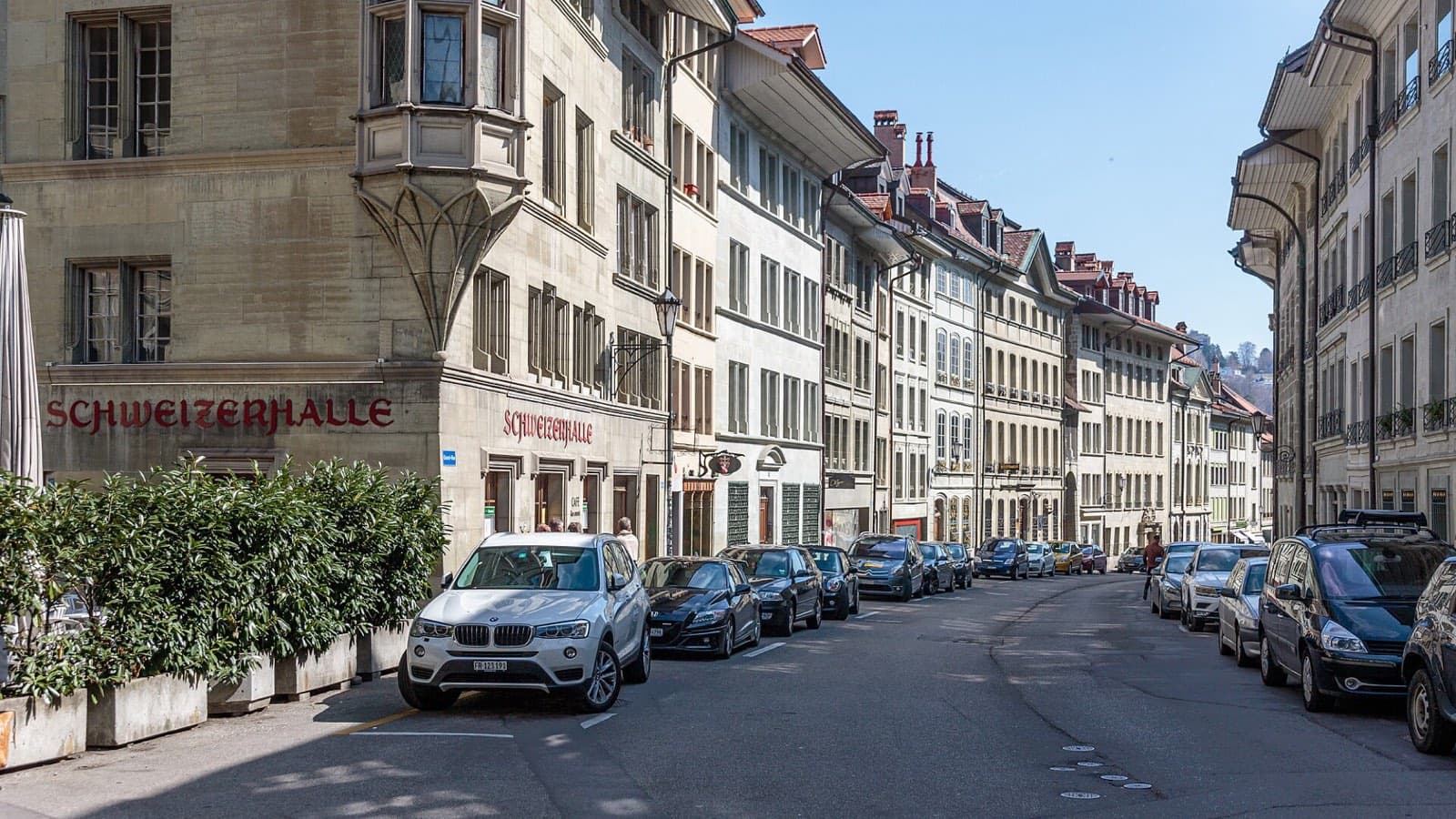
Fribourg, before you book
Fribourg is the capital of its canton, home to 38,039 residents as of December 2020 and, by that count, the largest city in it. The Sarine river cuts a gorge straight through the centre, splitting a French speaking half from a German speaking one, and the tourist office markets the city under its own label, “Capital of Fondue,” reinforced since 2023 by Fribourg’s entry into UNESCO’s Creative Cities Network for gastronomy. It sits on the railway line between Lausanne and Bern, roughly midway between the two.
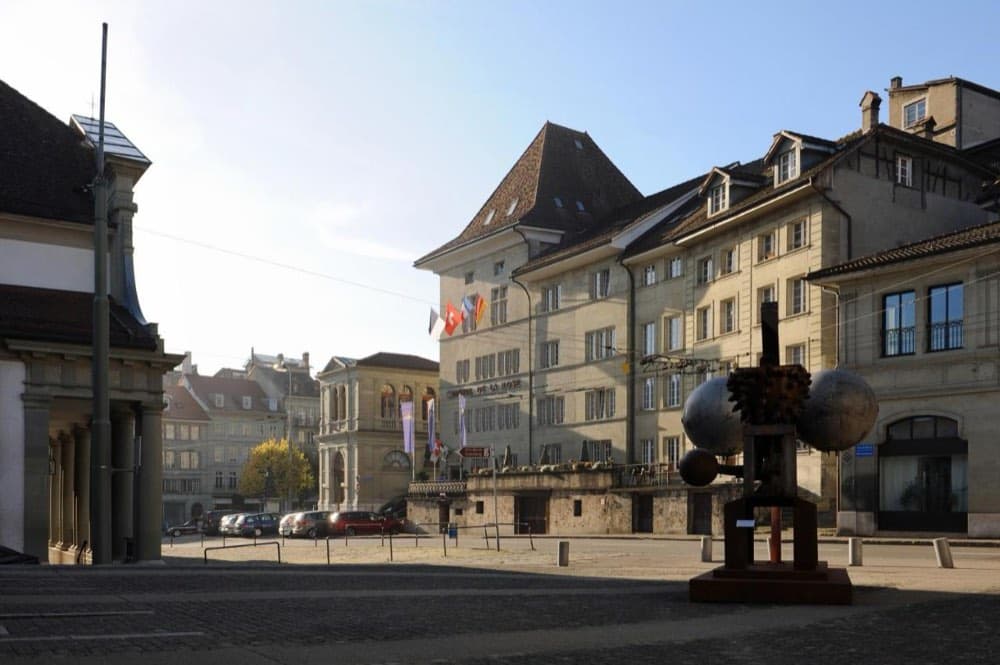
Where you sleep here comes down to two very different addresses on opposite sides of the centre. Hotel de la Rose stands at Rue de Morat 1, in a 17th-century building close to the historic centre below the cathedral. Alpha Hotel, on Rue du Simplon 13, sits a short walk from the station side instead. Fribourg itself is not car-free: the city is crossed by road and by TPF buses, and only the Old Town core is heavily pedestrianised.
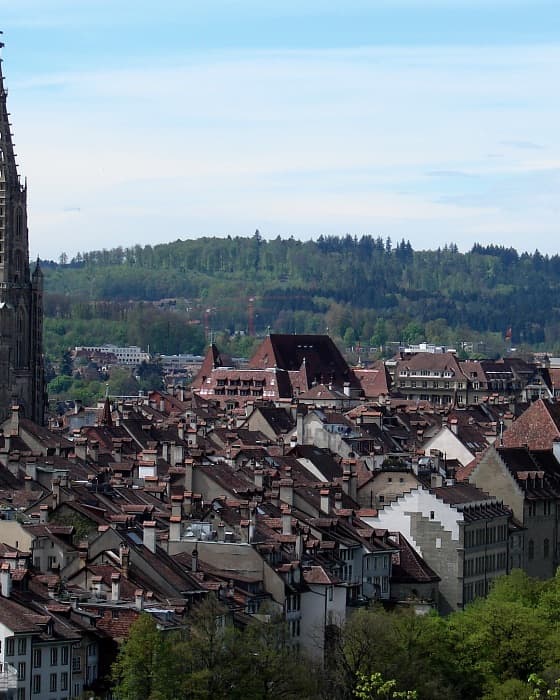
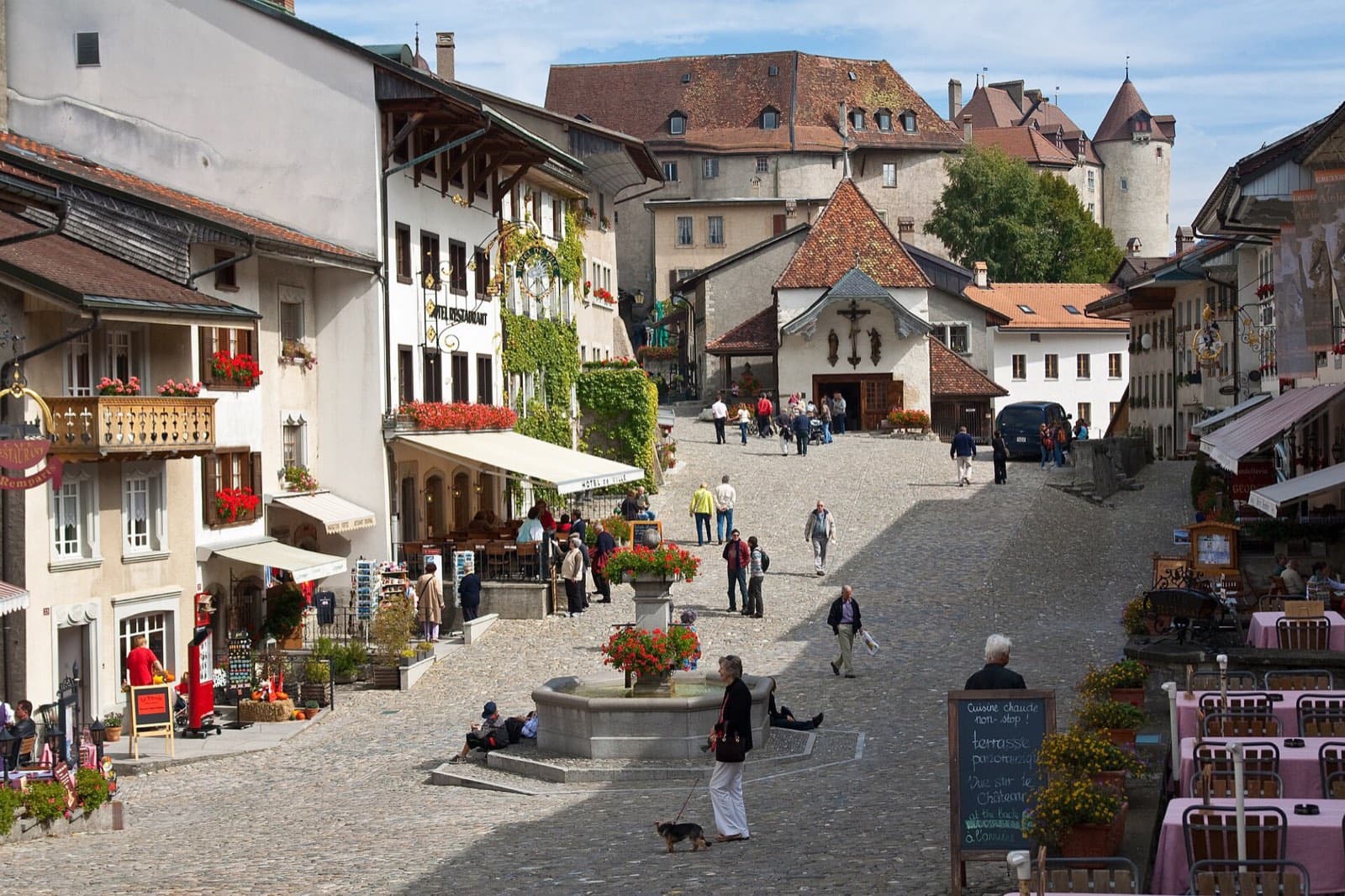
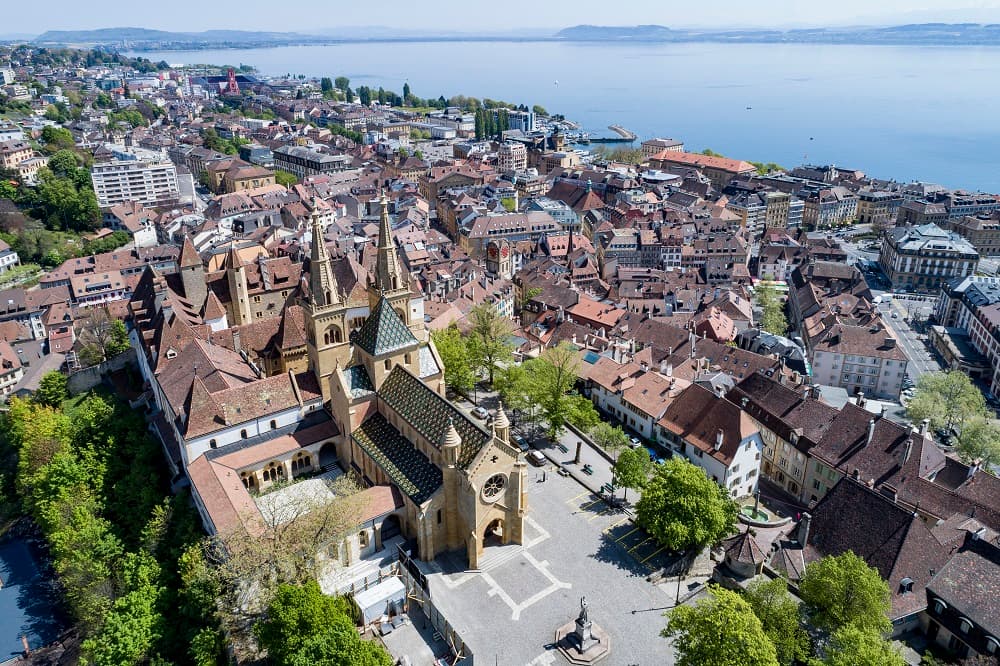
The choice here is compact: a 17th-century, family-run in style, three-star house in the Old Town, Hotel de la Rose, and a station-side address, Alpha Hotel, on Rue du Simplon. Both sit within reach of the fortifications and the cathedral, and neither leans on a lake or a mountain view: the draw is the medieval centre itself, its cathedral tower and the walk around its walls.
Summer keeps everything running at once: the fortifications open 09:00 to 19:00 from 1 May to 1 November, the cathedral tower is included with the City Card from March to November, and the Motta swimming pool runs May to September. The funicular then stops for works from 27 August to 4 December 2026, and the cathedral tower closes for winter from December to February, so a City Card bought in the cheaper October-to-March window still covers the museums and the transport even with fewer things open outdoors.