Lucerne, before you book
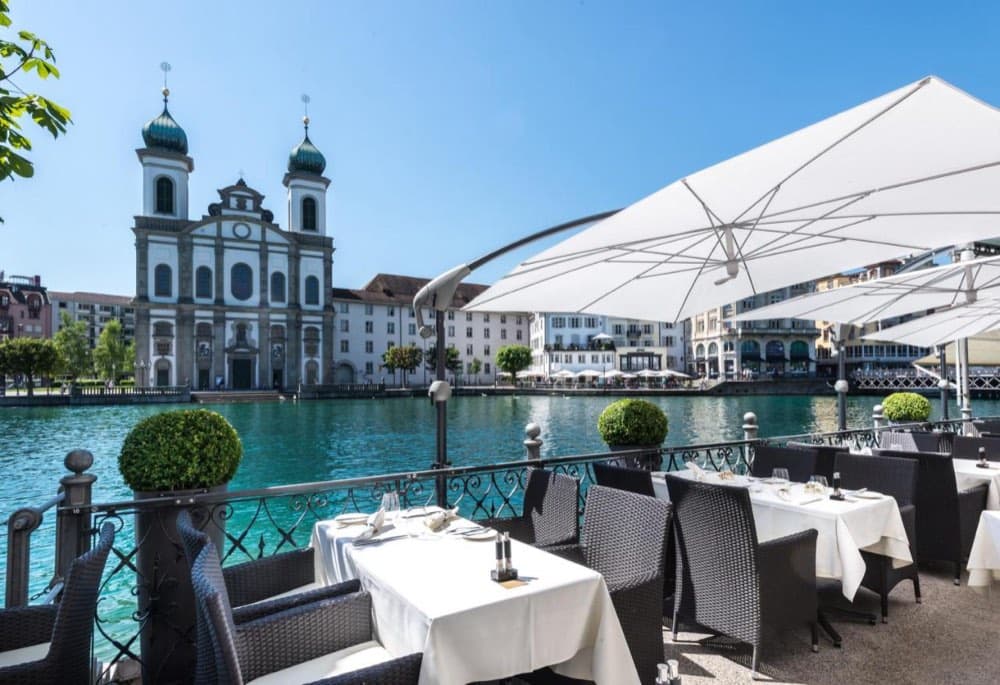
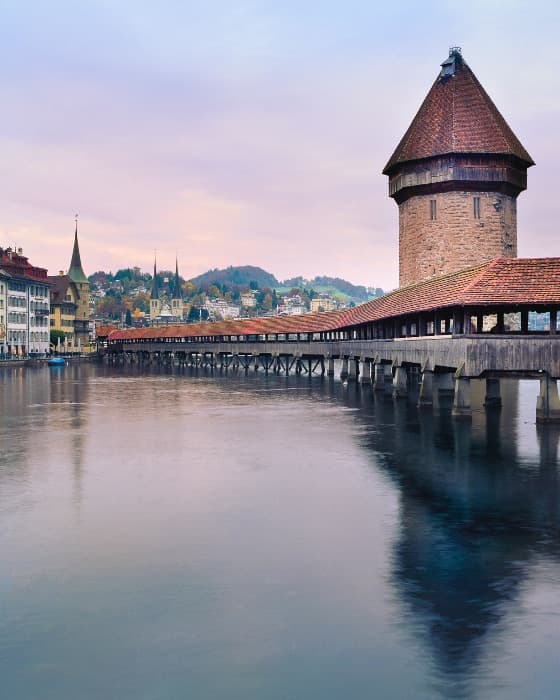
Lucerne sits at 435 metres, where the Reuss leaves the lake and the boat piers at Bahnhofquai stand directly opposite the main railway station. The old town closes in around the Chapel Bridge, about 650 years old and 204 metres long, still carrying its painted panels across the river. Direct trains from Zurich run every half hour and take 45 to 50 minutes, so the walk from platform to water can be shorter than the ride that brought you here.
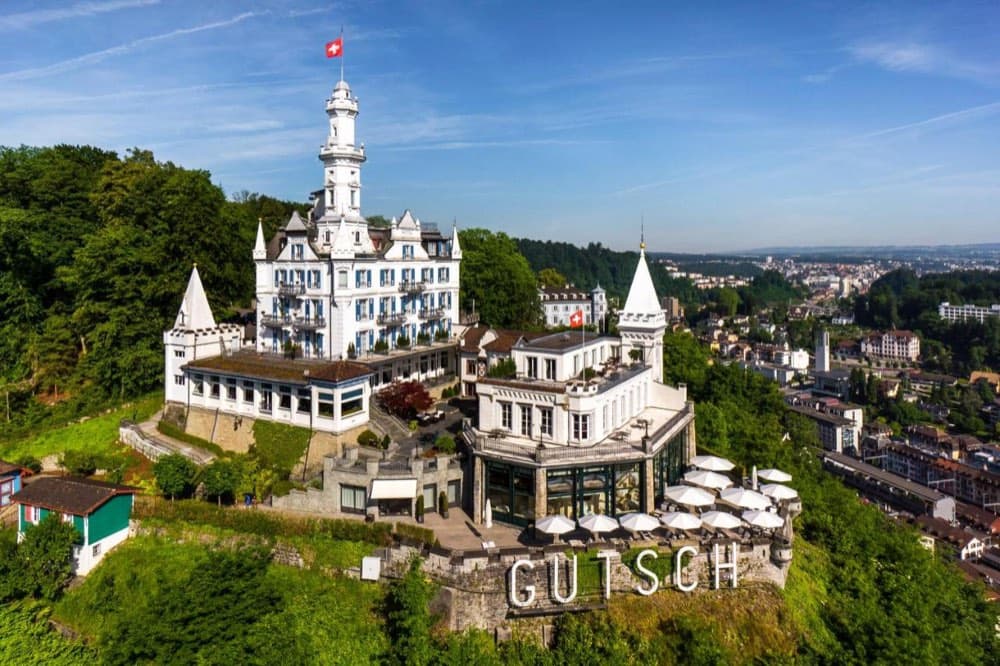
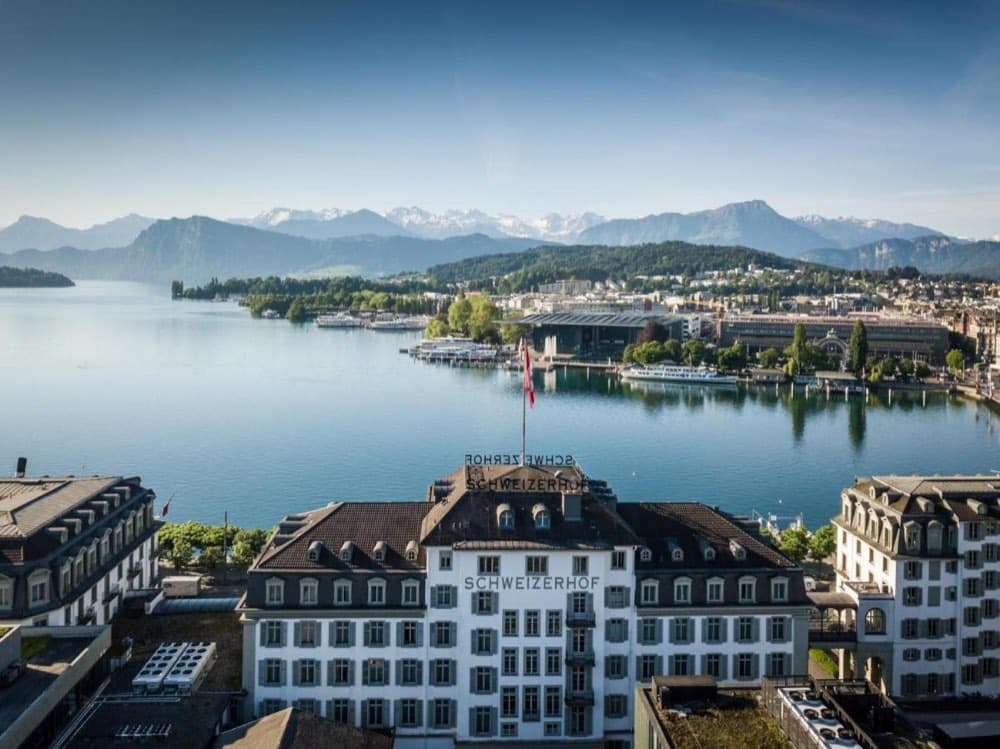
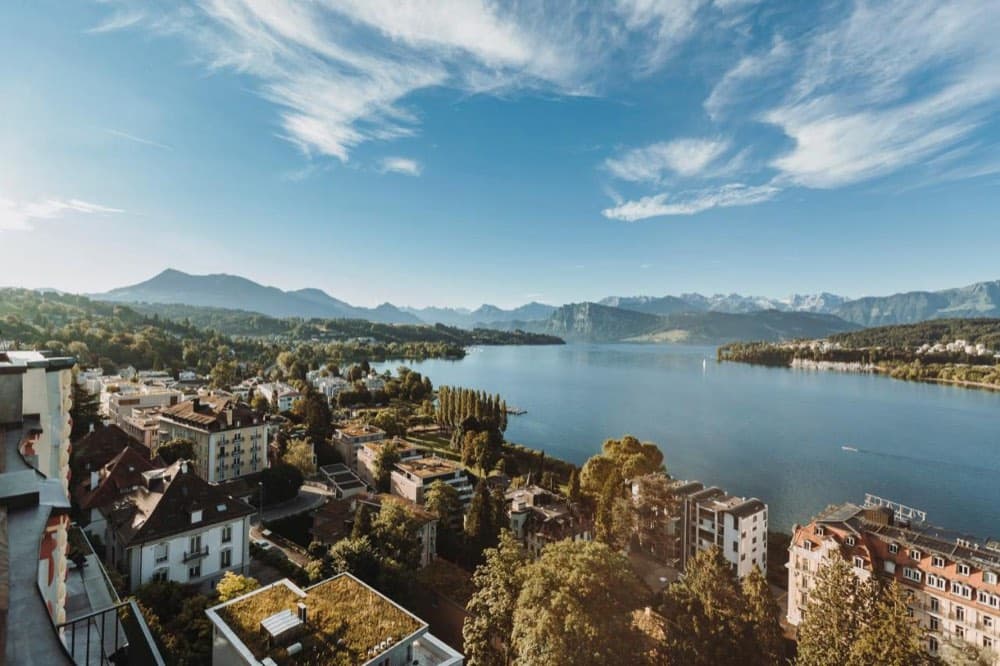
Three areas share that short stretch of shore. The old town rises behind the Chapel Bridge, under the medieval Musegg wall and its nine towers; the station and the lake front run along Bahnhofquai and Schweizerhofquai, closest to the boats and the trains; and Château Gütsch looks down on both from its hill, reached by its own funicular, while Alpenquai stretches out along the south shore towards the Rotsee. Each side puts you within reach of the same two mountain railways, to Pilatus and to the Rigi.
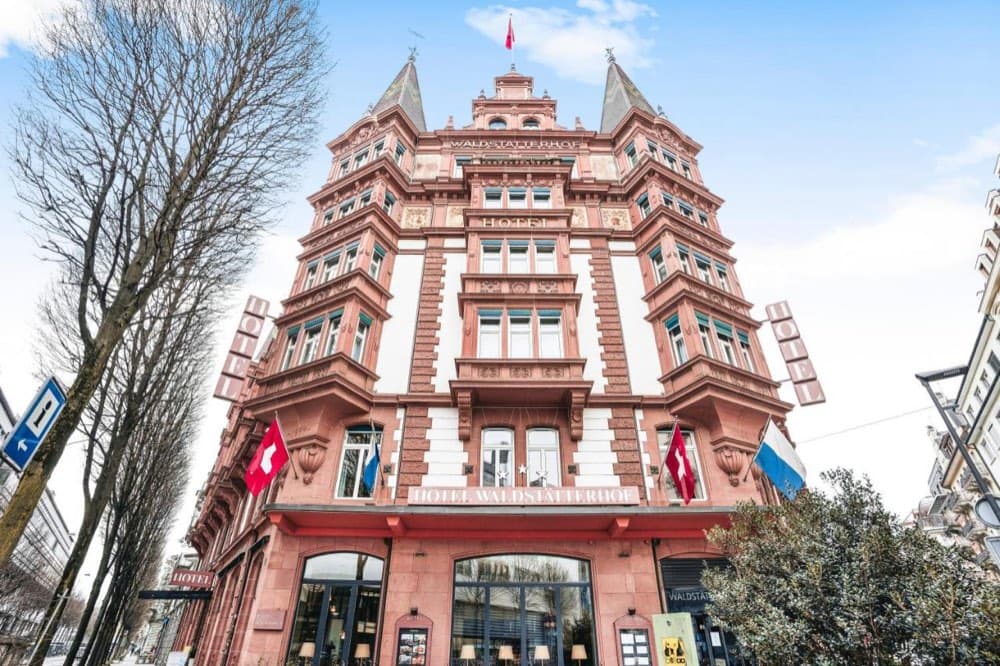
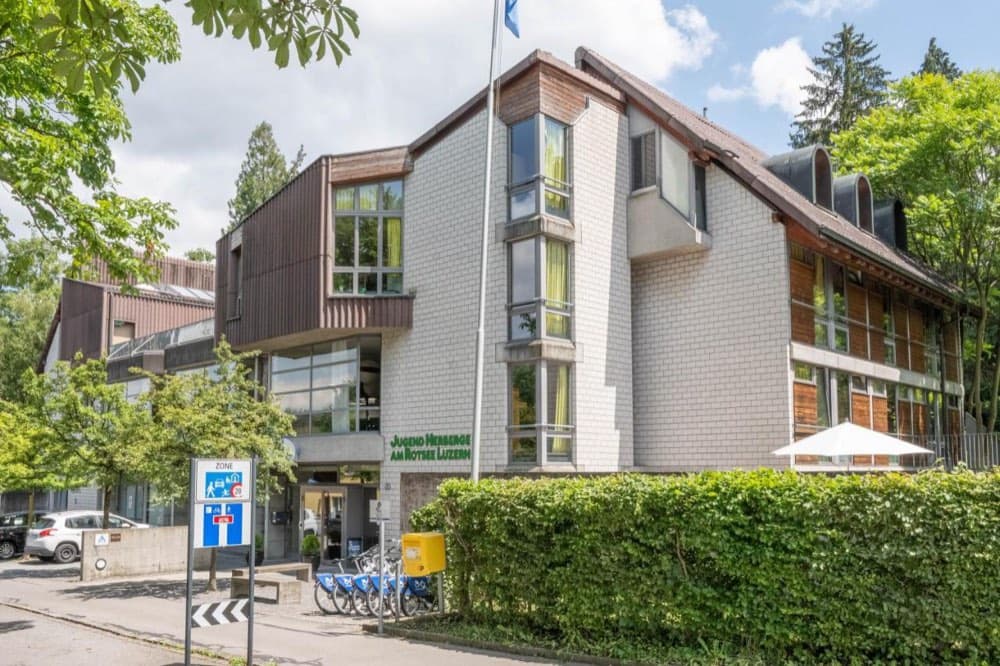
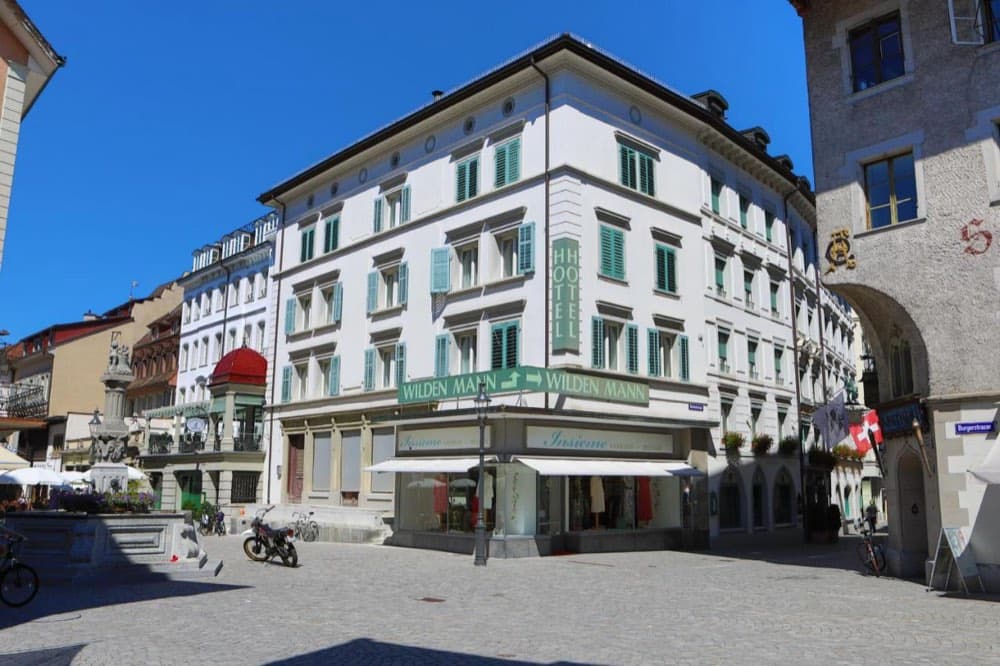
The choice of hotels spans the same range as the shoreline. The Schweizerhof has stood on Schweizerhofquai for more than 180 years under the same family, and Hotel des Balances and the Wilden Mann sit inside the old town, on the Weinmarkt and on Bahnhofstrasse. Château Gütsch keeps its own funicular above the rooftops, and Alpenquai holds the simpler addresses down at the water. Our dated price samples show summer nights costing more than winter ones across most of the selection, and the youth hostel as the least expensive address.
The Musegg wall and its towers close from November to March, and the Pilatus cogwheel railway runs only from May to November, so summer and early autumn open every option at once. The Rigi railways and the lake boats keep running year round, with a reduced winter timetable, which makes Lucerne workable even outside the wall’s open season. From Zurich, direct trains leave every half hour and take 45 to 50 minutes, so there is no need to plan the journey days in advance.