Zug, before you book
Zug is a working Swiss city rather than a resort village, the capital of its own canton, home to 32,122 permanent residents as of 2024, more than a third of them foreign nationals. It sits at 425 metres, in a compact old town on the shore of its own lake. Trains arrive right in the centre: Zug railway station carries international, national and regional services throughout the day, and Zugerland Verkehrsbetriebe buses cover the rest of town.
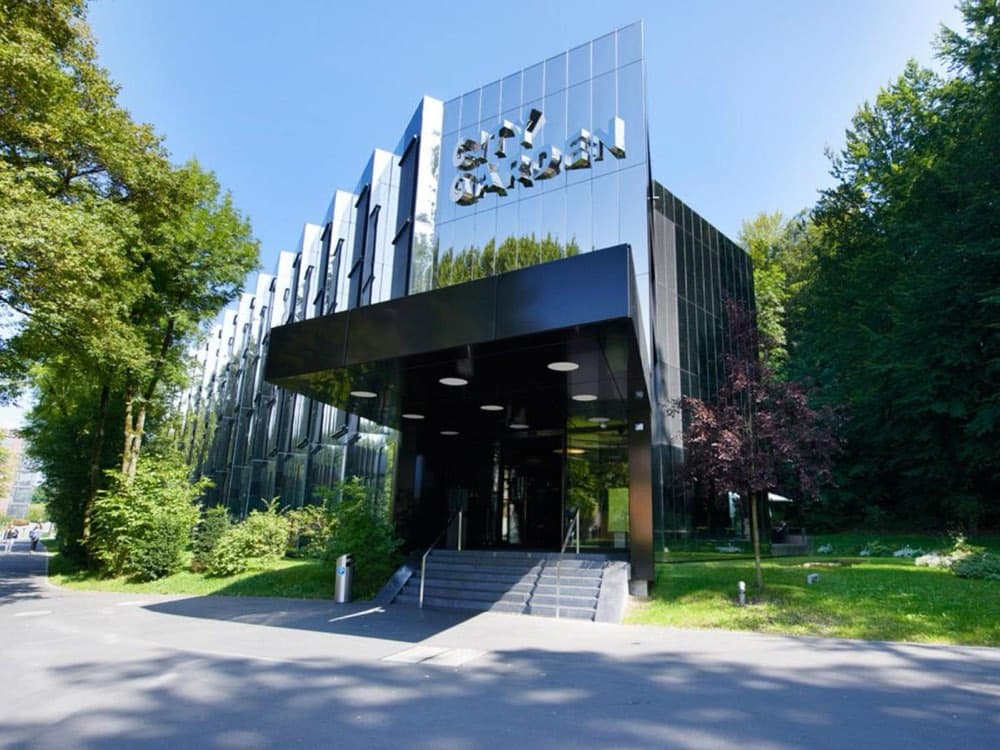
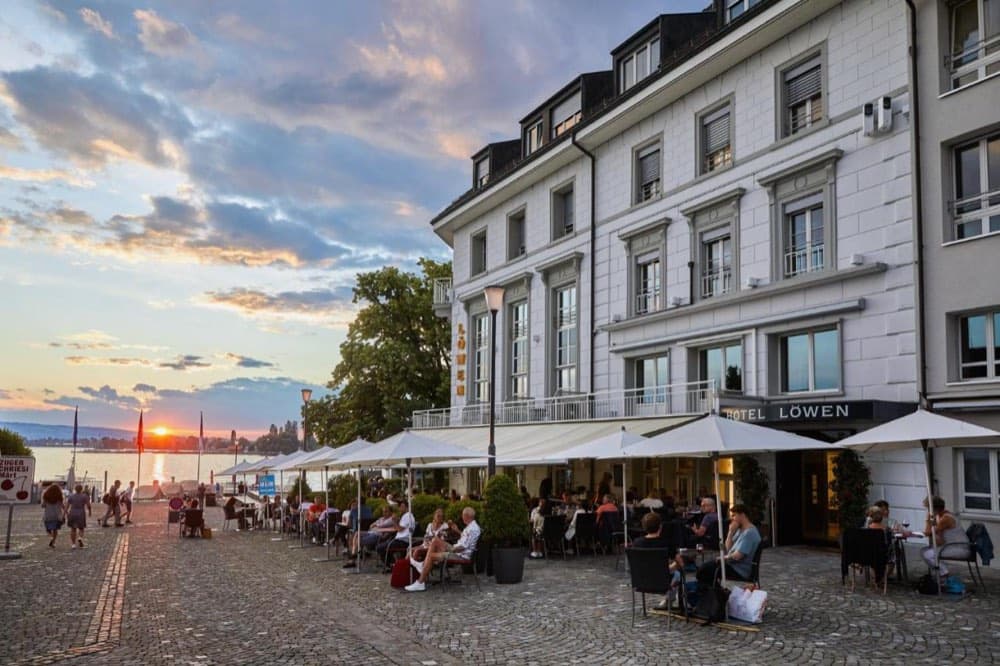
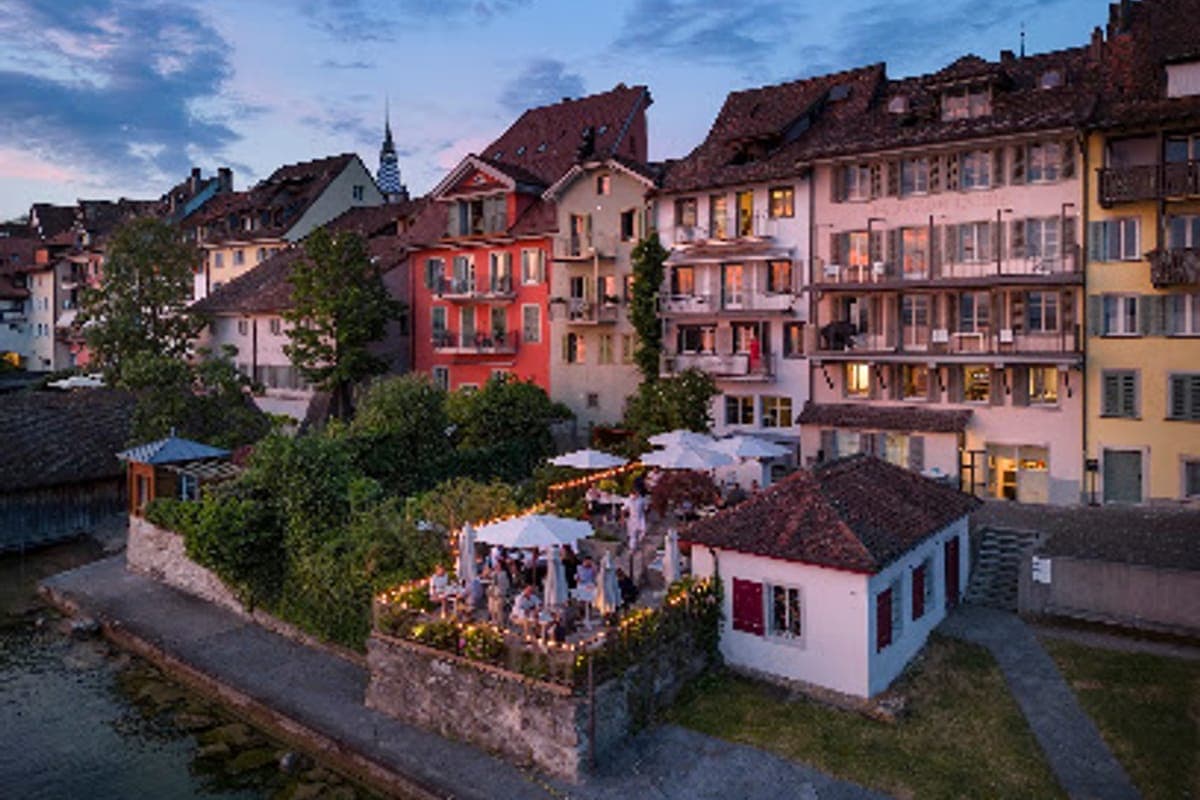
Everything here sits close together. The Altstadt’s narrow streets climb from Bahnhofplatz and the station, at their most atmospheric in fog. A short walk away, Landsgemeindeplatz opens onto the shore of Lake Zug, where Hotel Löwen am See looks over the water in a low-traffic old-town district. Outside the old town, Industriestrasse and Metallstrasse hold Zug’s design-hotel side, Park Hotel Zug and City Garden Hotel Zug standing about 70 metres apart.
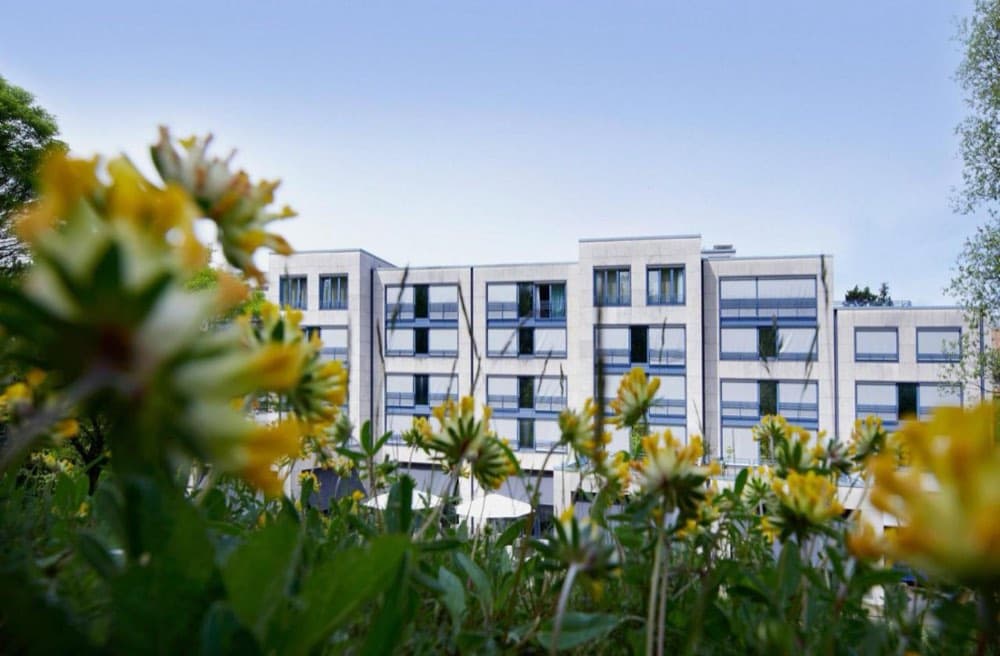
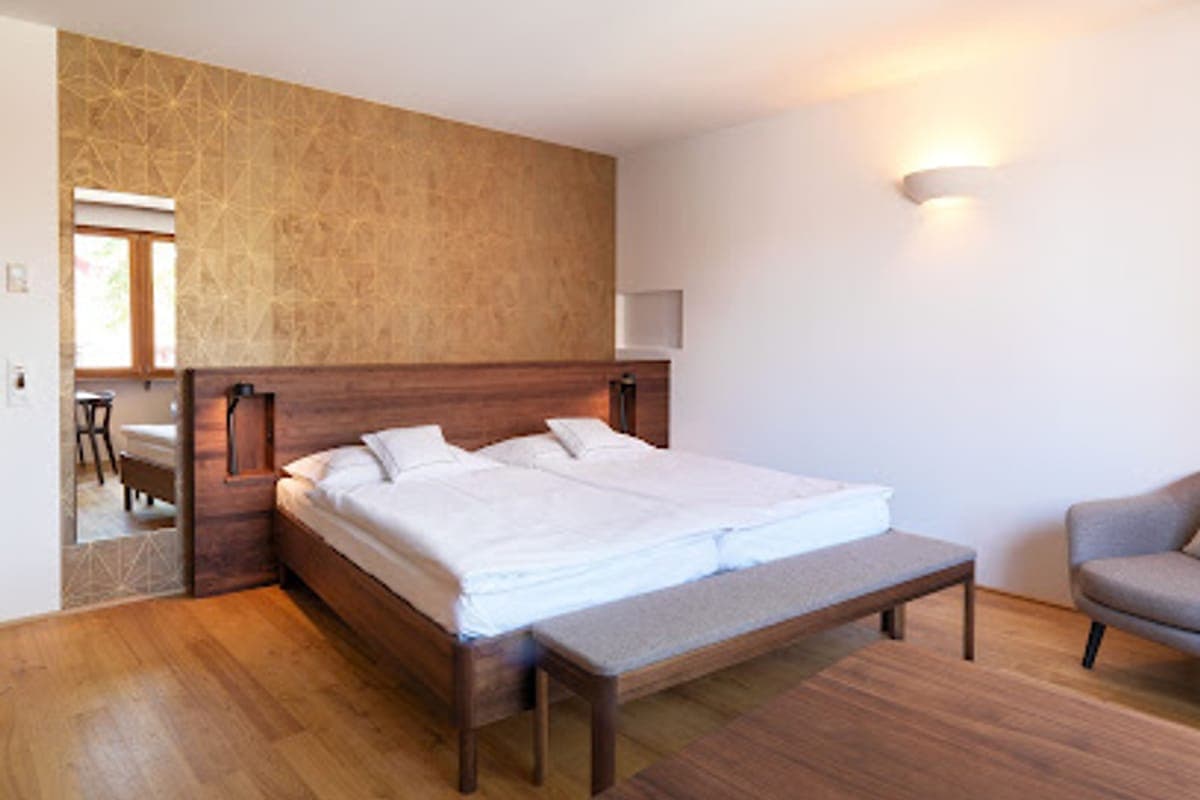
The choice here is small, just three hotels with a working official website, each in a different sector. Park Hotel Zug, on Industriestrasse, is a 4-star house of 79 rooms with its own indoor pool and sauna. City Garden Hotel Zug, 70 metres away on Metallstrasse, is built entirely from wood and heated and cooled with water drawn from the lake. Hotel Löwen am See, on the shore at Landsgemeindeplatz, keeps its reception open from 06:30 to 23:00.
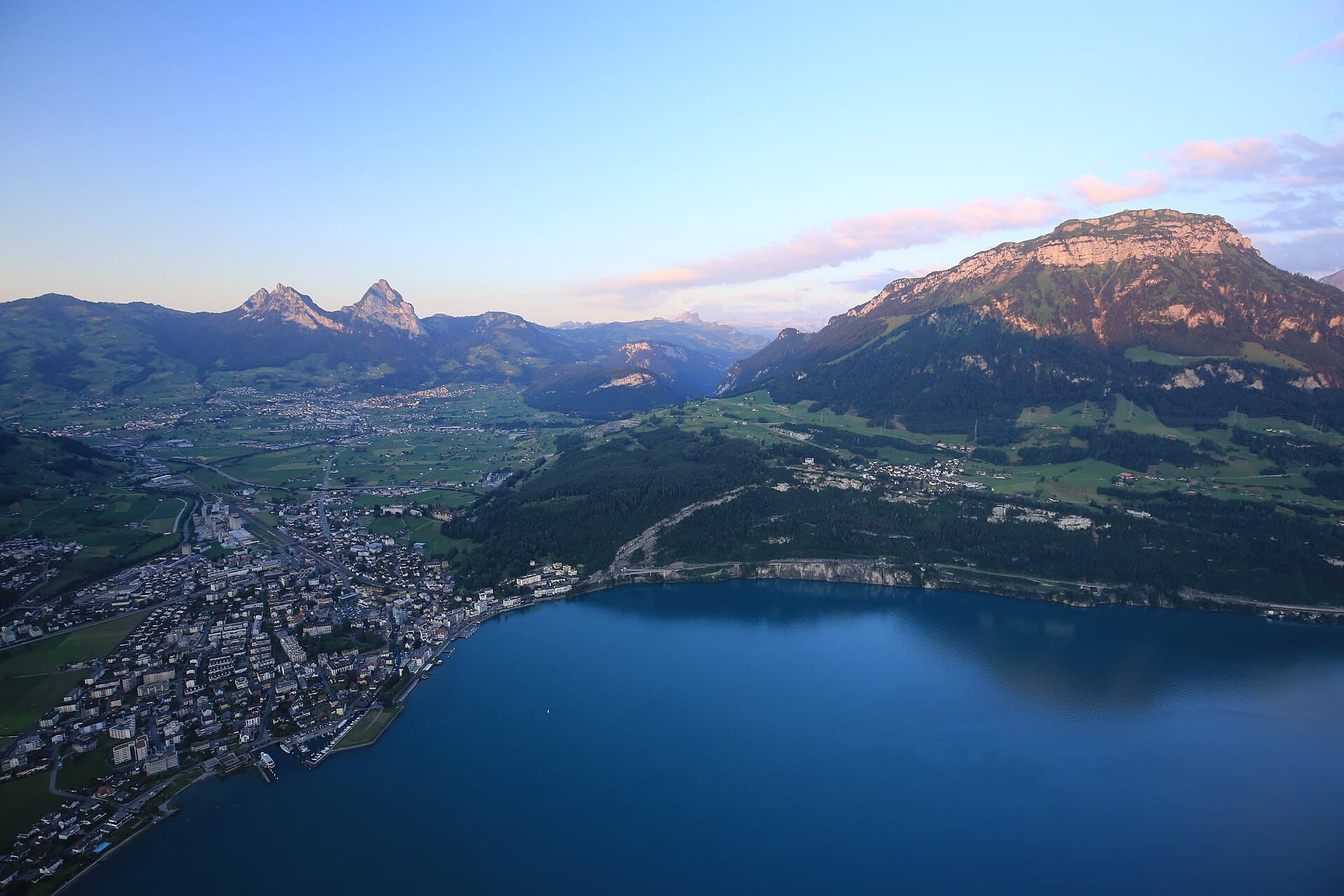
Zug Tourismus promotes the city as a year-round break, pointing visitors to the Zugerberg, the local mountain, for hikes, excursions or simply relaxing moments, and to dedicated sunset spots along Lake Zug’s shore. Zug is not car-free: private vehicles can drive right into the centre, guided to free spaces by a parking guidance system, while the station itself stands right in the middle of town. Exact journey times from Zurich or Lucerne are not published by the tourist office.