Neuchatel, before you book
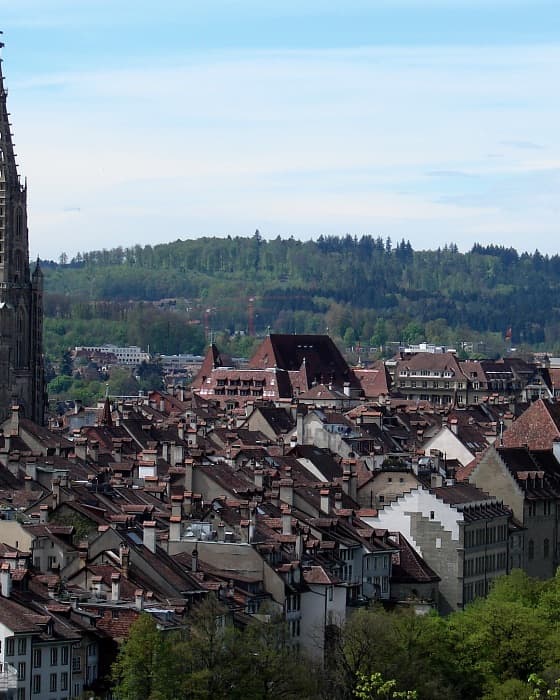
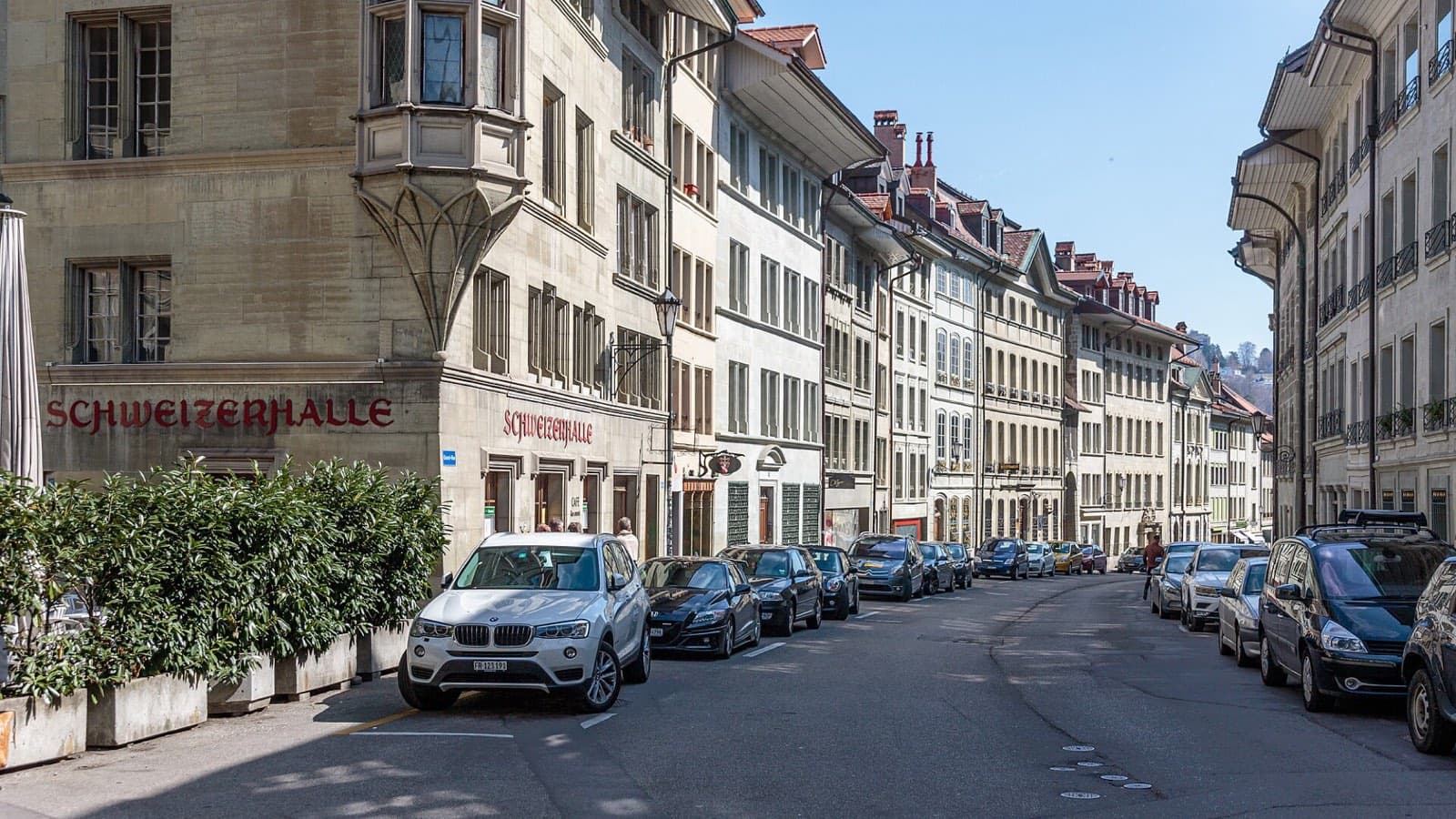
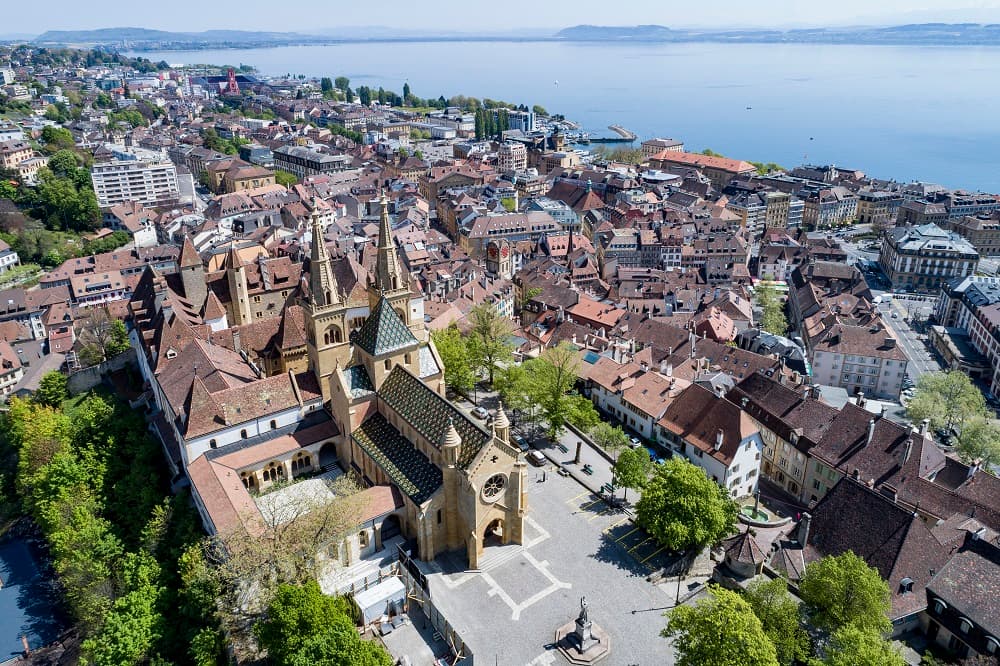
Neuchatel is a working Swiss city on a lake rather than a resort village, home to about 45,000 residents since its 2021 merger with three neighbouring communes. You arrive by train on the ICN line, which circles the lakes with stops at Yverdon-les-Bains, Neuchatel and Biel/Bienne on its way toward Geneva, Zurich and Basel airports; exact minute times are not published, so check sbb.ch directly. The old town is built from yellow Hauterive limestone, the colour behind Alexandre Dumas’s description of a city carved from butter.
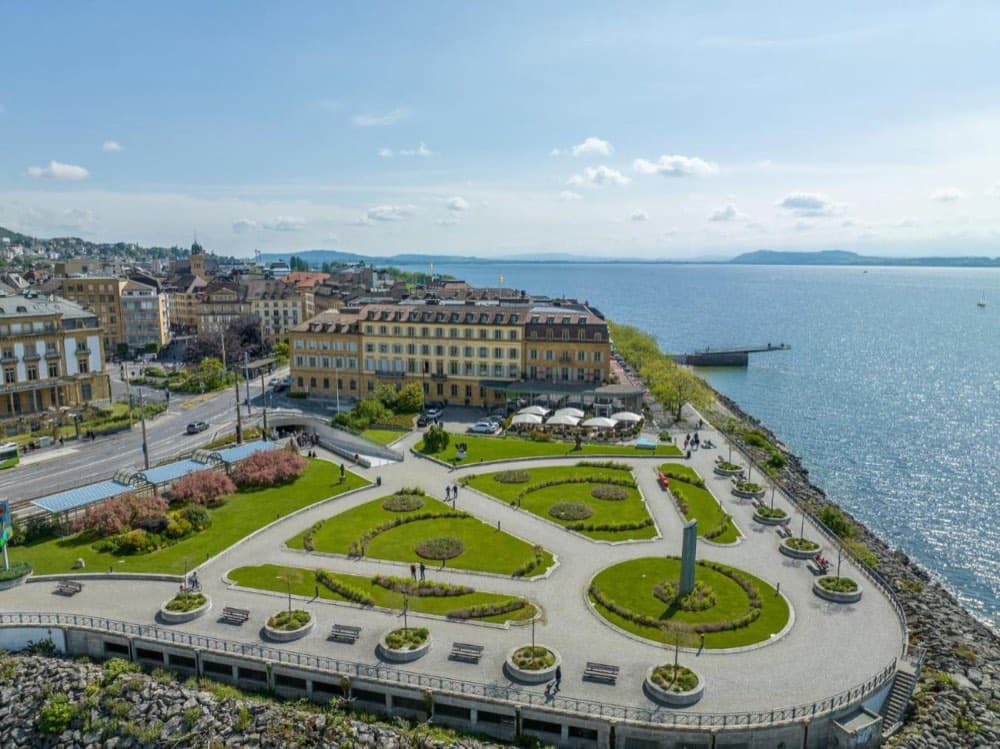
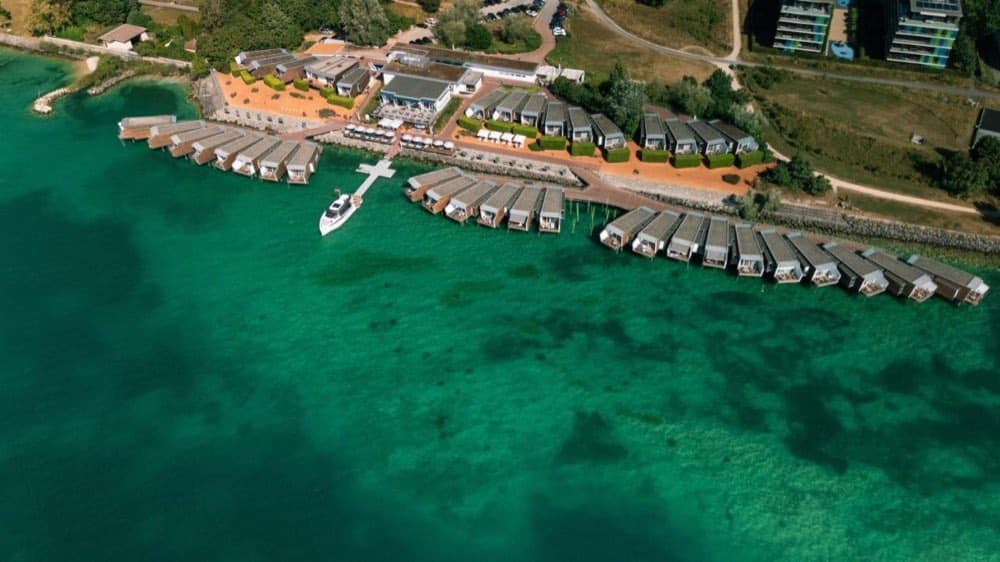
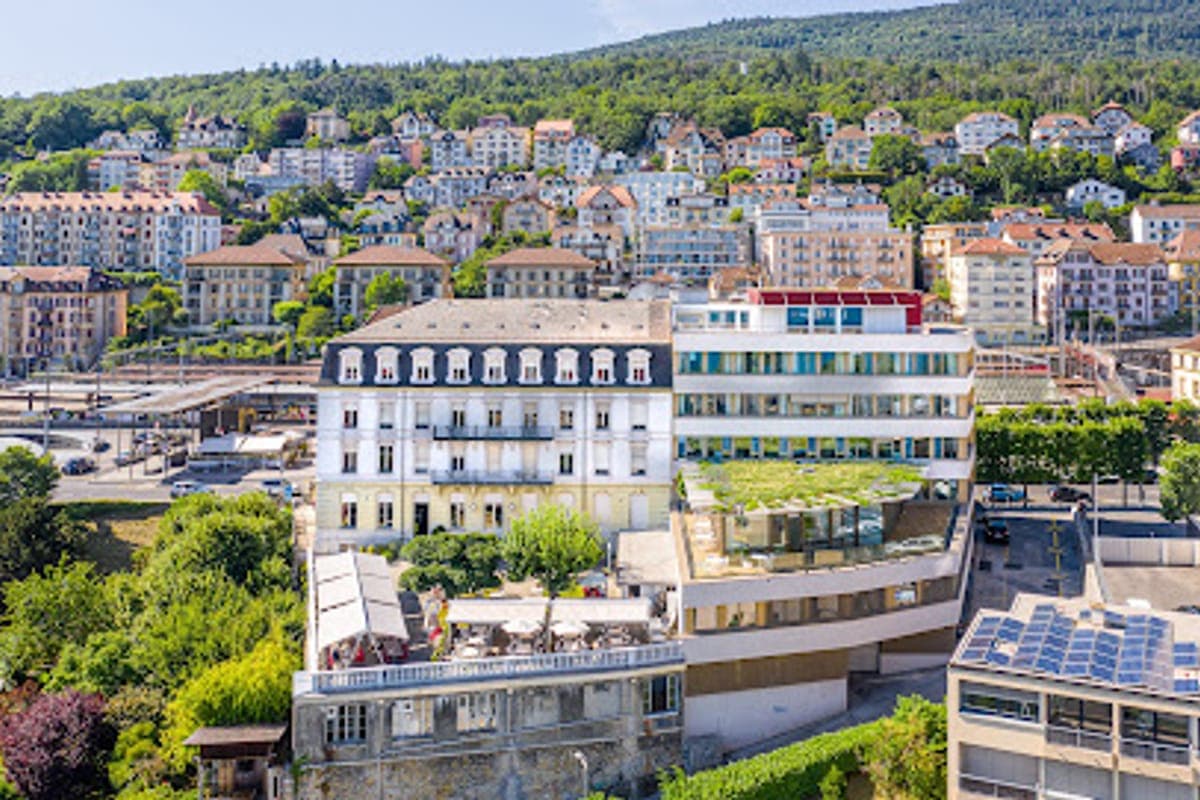
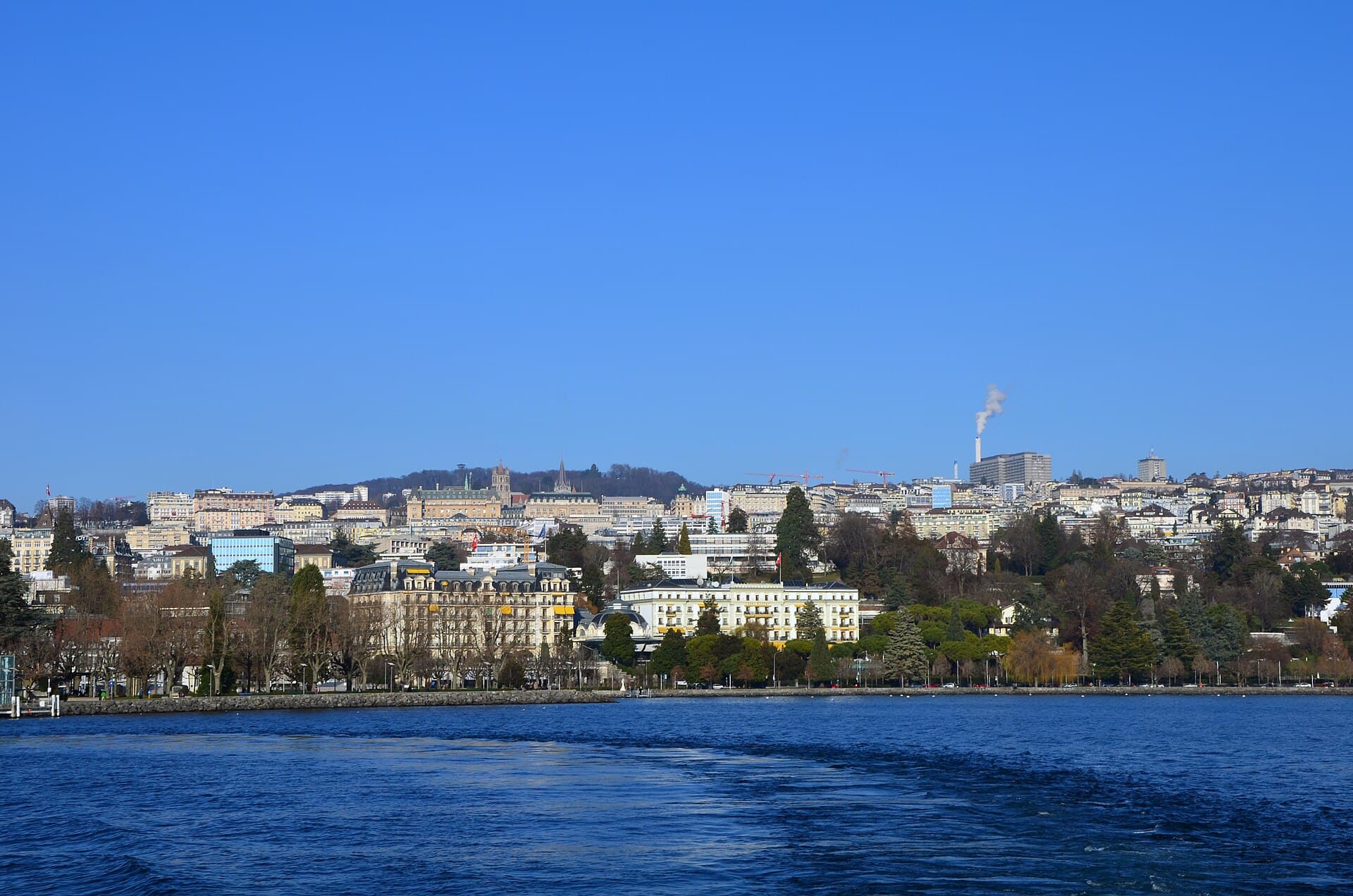
Everything sits along Lake Neuchatel, at the point where the water meets the first Jura foothills. The old town and Chateau de Neuchatel rise on a rocky spur above the centre; the station stands at 479 m, a short walk from Hotel Alpes et Lac opposite the platforms. From there, Place du Port and the Esplanade du Mont-Blanc carry a dense row of harbour hotels, while Route des Gouttes-d’Or runs east to Hotel Palafitte, built as pavilions on stilts directly over the water.
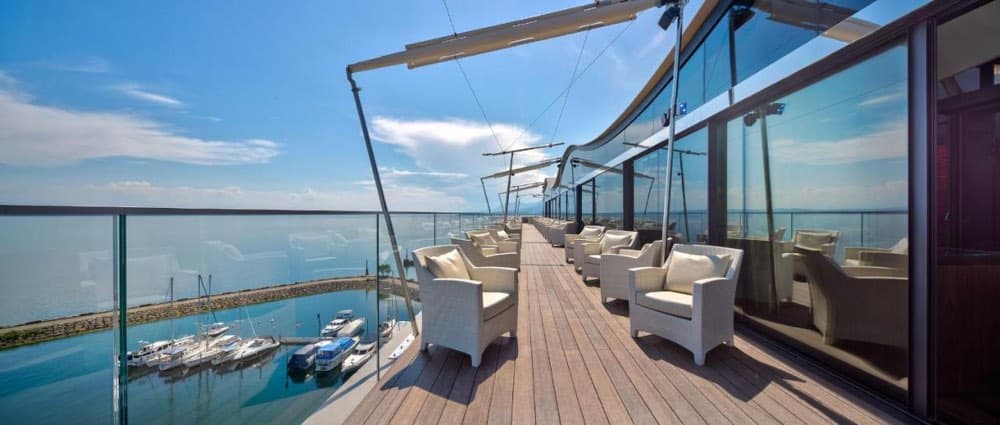
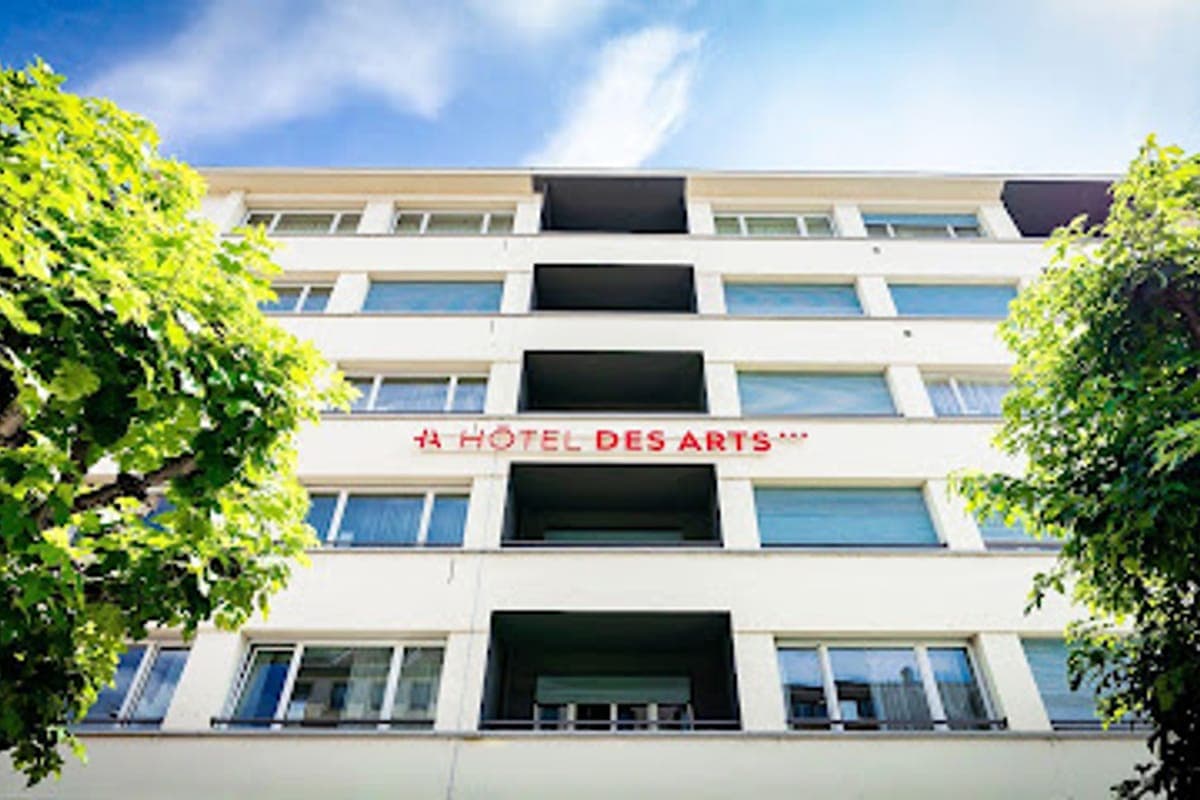
The choice runs from a 46-room house opposite the station, split between its main building and an air-conditioned annex, to Hotel des Arts, a few minutes from the lake by public transport. Down at the water, Hotel Beaulac holds 7 room categories around a rooftop bar, Beau-Rivage Hotel gives what it calls "one of Switzerland’s most beautiful panoramas" over the lake from 60 rooms and suites, and Hotel Palafitte rents Lake Pavilions with a ladder down into Lake Neuchatel itself.
Neuchatel runs year round rather than by ski season: there is no lift pass or snow report here, and the Chaumont funicular climbs to a viewpoint at 1171 m above the city whenever it runs. Anyone with a booked night gets the Neuchatel Tourist Card automatically, covering public transport for the stay, many cantonal museums, LNM lake cruises and bike hire. Late September brings the three-day Fete des Vendanges, 26 to 28 September in 2026, with a flower parade and fireworks over the lake.